
Identity Is The New Perimeter: Why Most Breaches Start With Credentials
Identity is the new perimeter: why most breaches start with credentials
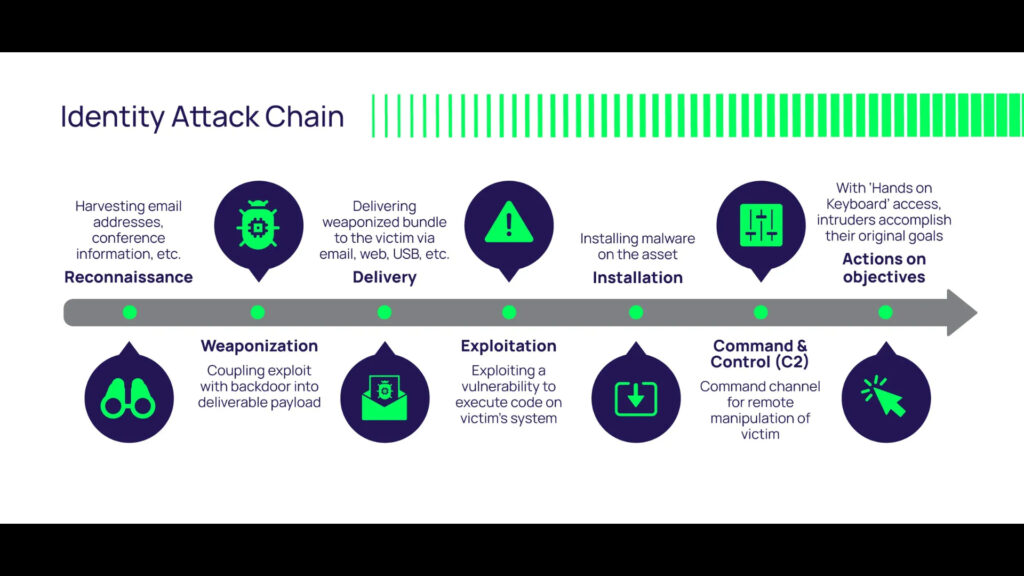
The traditional security perimeter has not disappeared, but it has become far less relevant than it once was. Today, attackers rarely target infrastructure first. Instead, they target people. Phishing, credential harvesting, and identity abuse are now among the most common entry points for cyber incidents.
This shift is exactly why identity matters more than ever. Once an attacker gains valid credentials, many traditional defences become easier to bypass. Network controls can be sidestepped, security tools may trust the active session, and lateral movement across systems becomes significantly easier. In this environment, identity is no longer just an access function; it has become the control plane for modern security.
Strong identity security is also much broader than password hygiene. It requires layered controls such as multi-factor authentication, conditional access policies, device trust and posture checks, visibility into login behaviour, and rapid response to anomalous activity. Without these elements working together, credential compromise can quickly lead to broader business impact.
Zero Trust is often misunderstood as a product or platform, but in practice it is an architectural approach built on three principles: no implicit trust, continuous verification, and least-privilege access. Identity sits at the centre of this model. If identity controls are weak, Zero Trust remains theoretical rather than operational.
At BluBiz, we help organisations improve identity maturity as part of a broader cybersecurity uplift. In our experience, identity security is most effective when it is integrated with networking, endpoint protection, and SOC operations, rather than treated as a standalone stream.
If identity is not yet a priority area in your security roadmap, now is a good time to reassess. And if this is a challenge your organisation is currently navigating, the BluBiz team is always happy to have a practical conversation.